
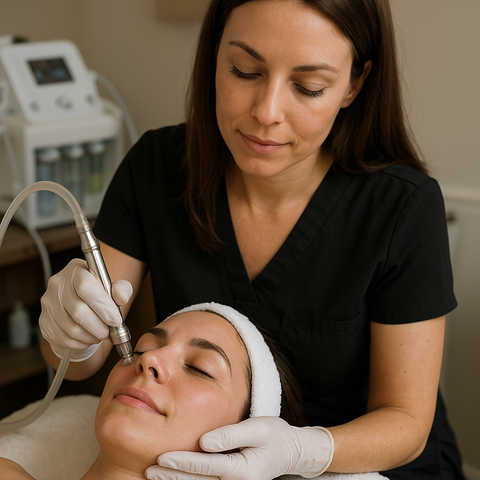
Add On Microderm/Microcurrent Gallery
$$MultiPurposeText$$
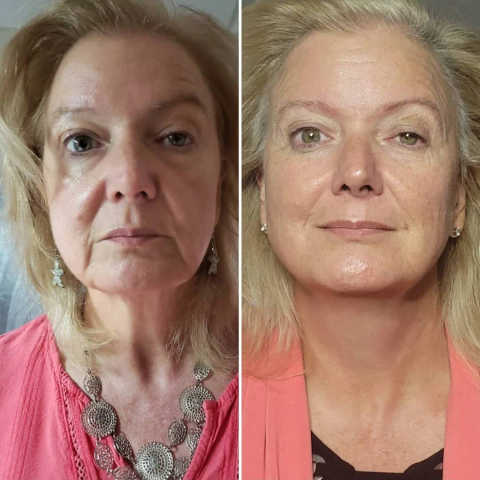
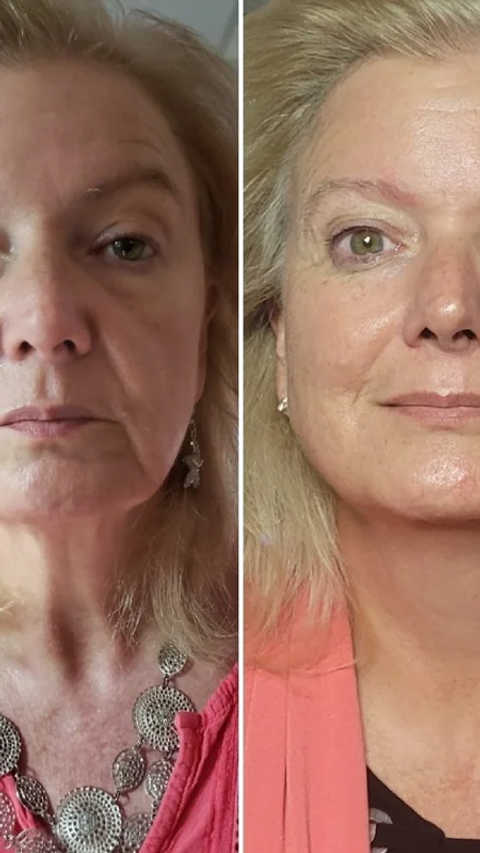
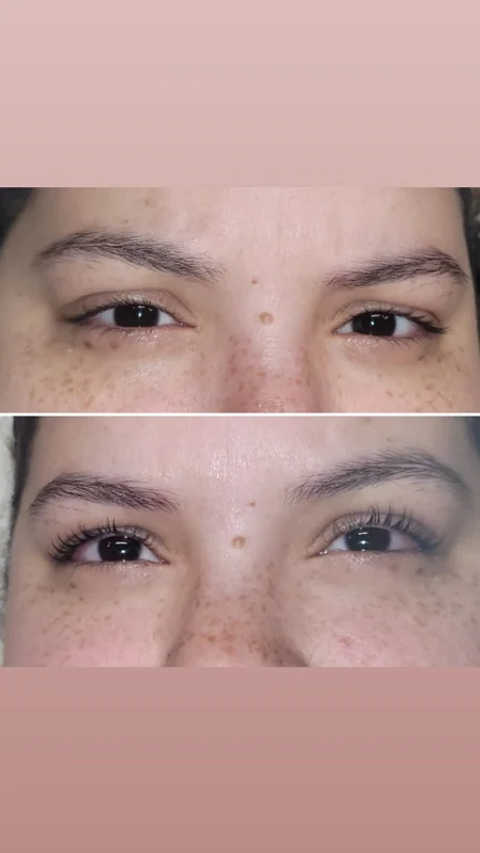
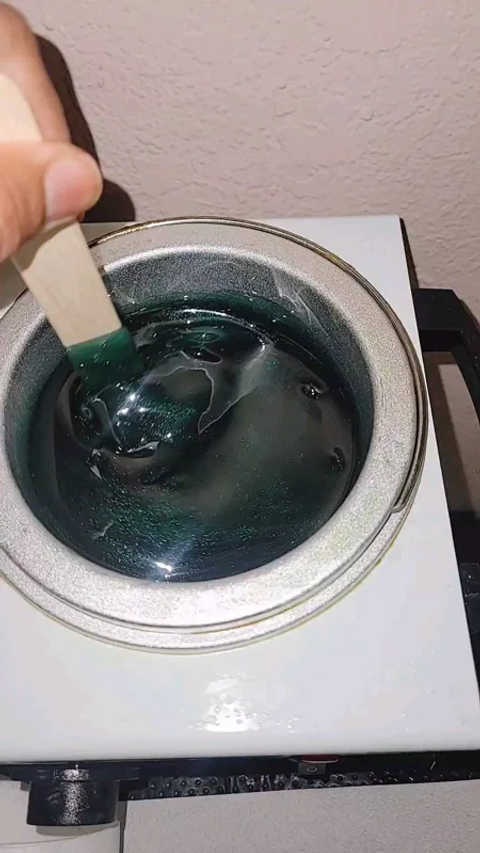
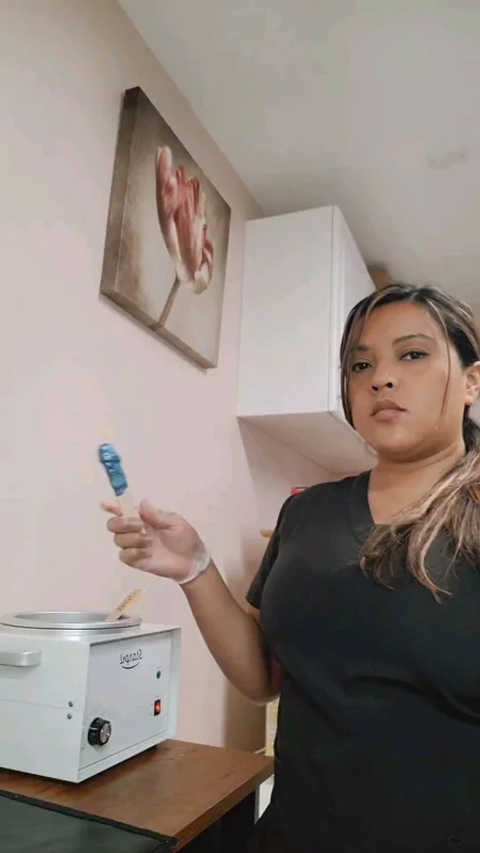
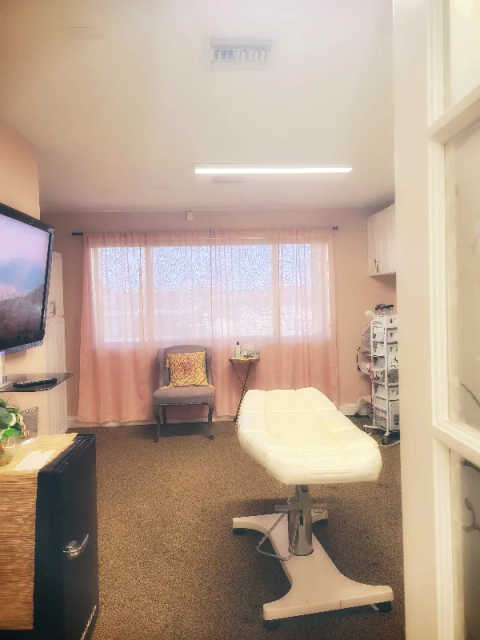
See examples of our Add On Microderm/Microcurrent work and results.


What Our Clients Say
$$MultiPurposeText$$
Read testimonials from our satisfied customers

They do a tremendous job! My car sparkles and shines after they are done. Gerrard is very ...more

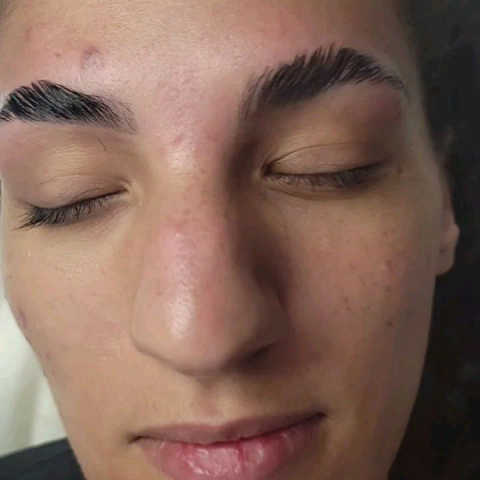
I’ve been going to Val for an eyelash dye and brows for 3 years. Shes warm, personable and...more

nice, clean place. very good service.

Val is an extremely talented and knowledgeable technician, she cares for her clients as if...more

I've always come for a wax either a Brazilian or underarms and every time that I get my se...more

Such a cute spot. Only trust Val with my eyebrows. Shes great at everything she does thoug...more

Frequently Asked Questions
Get answers to common questions about Add On Microderm/Microcurrent.
This add-on includes either microdermabrasion exfoliation or microcurrent muscle toning applied after cleansing. We tailor intensity to your skin, include soothing serums, and prep the area for waxing for enhanced results with minimal extra time.
Typically this add-on adds 10–25 minutes depending on choice and treatment area. Microdermabrasion sessions are shorter; microcurrent may take longer. Your esthetician will confirm timing when booking so your full service appointment runs smoothly.
Yes with precautions. We perform a skin assessment and choose gentle settings or favor microcurrent over abrasive treatments for sensitivity. Certain conditions or recent waxing may require delay; disclose allergies and recent procedures during booking for safe customization.
Yes. We typically perform the add-on as part of the waxing appointment—either before waxing to prep skin or after to soothe and enhance results. Your esthetician will recommend sequence based on area and skin sensitivity.
For visible improvements, a series of 4–8 treatments spaced two to four weeks apart is common. Maintenance sessions every 6–12 weeks sustain results. Frequency depends on skin goals, age, and starting condition—your esthetician will craft a tailored plan.
Minor redness, mild tingling, or temporary sensitivity can occur after treatment, usually resolving within hours to a day. More significant reactions are rare—notify us of reactions, medications, or skin conditions so we can adjust treatment safely.