

Dermaplane Gallery
$$MultiPurposeText$$
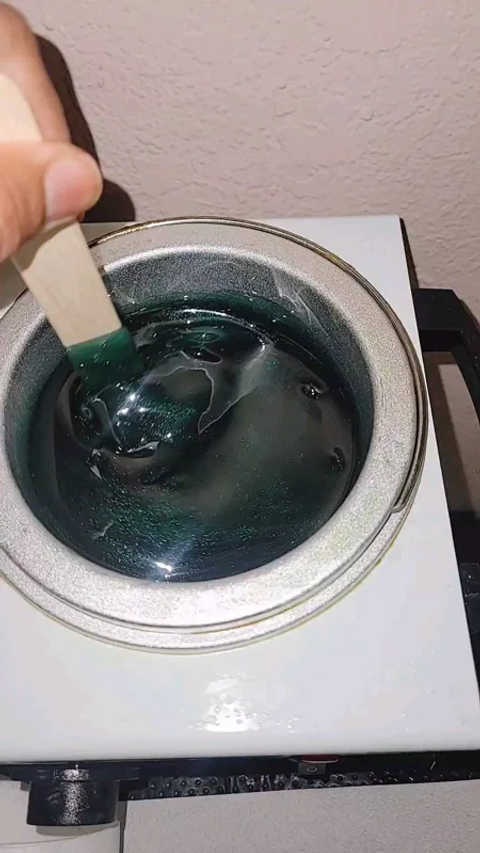
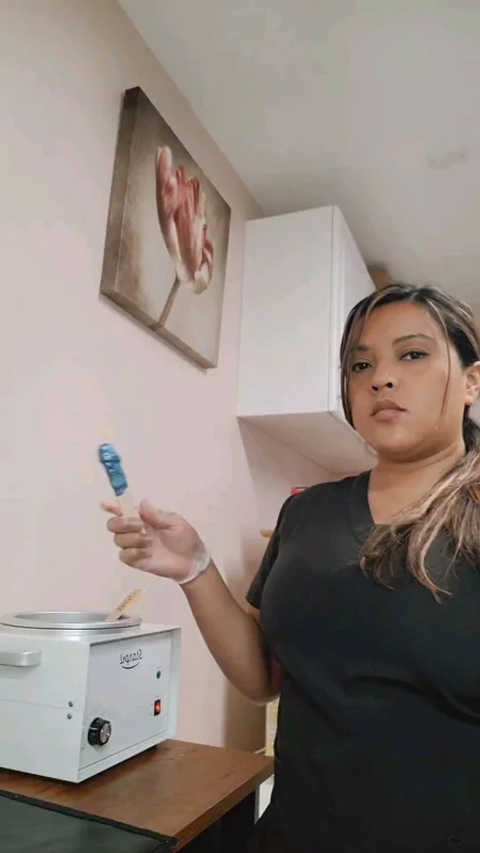
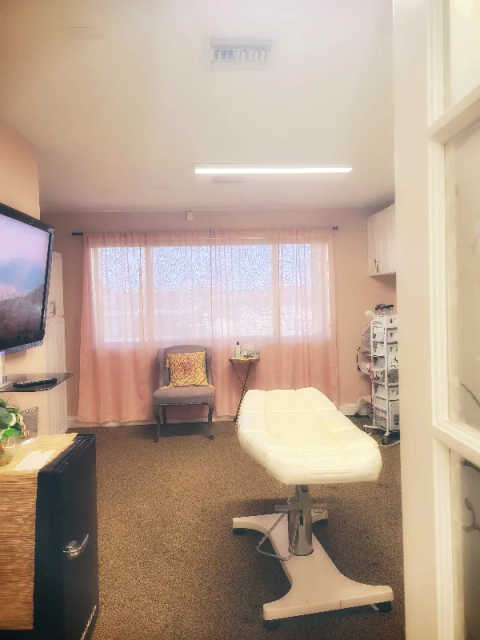
See examples of our Dermaplane work and results.
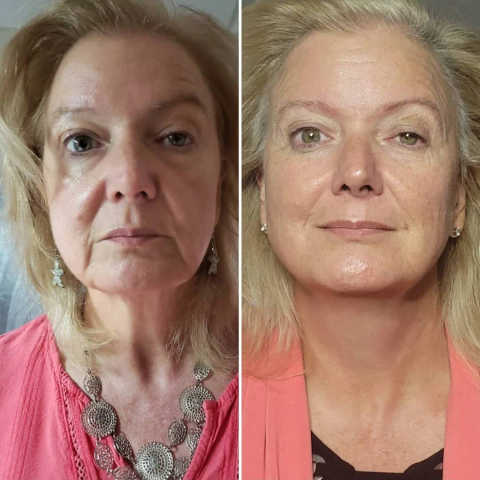
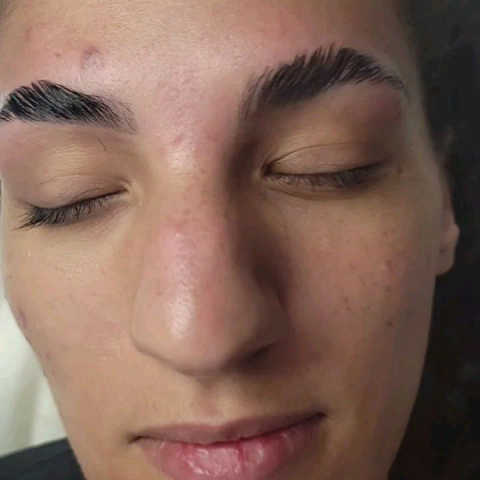
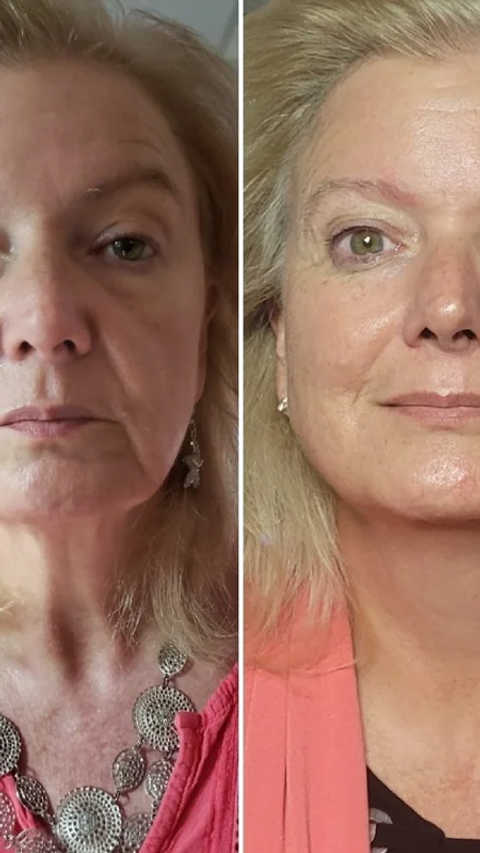
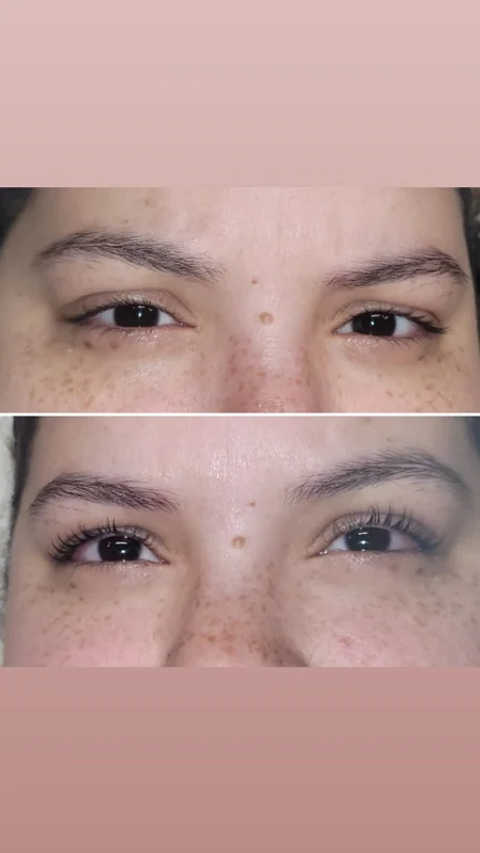


What Our Clients Say
$$MultiPurposeText$$
Read testimonials from our satisfied customers

They do a tremendous job! My car sparkles and shines after they are done. Gerrard is very ...more

I’ve been going to Val for an eyelash dye and brows for 3 years. Shes warm, personable and...more

nice, clean place. very good service.

Val is an extremely talented and knowledgeable technician, she cares for her clients as if...more

I've always come for a wax either a Brazilian or underarms and every time that I get my se...more

Such a cute spot. Only trust Val with my eyebrows. Shes great at everything she does thoug...more

Frequently Asked Questions
Get answers to common questions about Dermaplane.
Dermaplane is a manual exfoliation using a sterile blade to remove dead skin cells and fine vellus hair. It smooths rough texture, minimizes fine lines and allows skincare products to penetrate more effectively for visible improvement.
Dermaplane is generally painless and well tolerated. Our estheticians use light pressure and sterile blades to minimize irritation. Clients with active acne, rosacea flare-ups, or open lesions should avoid treatment until cleared by a professional.
Most clients benefit from dermaplane every three to four weeks to maintain smoothness and prevent peach fuzz regrowth. Your esthetician will recommend a personalized schedule based on skin type, concerns, and treatment goals.
Yes. Dermaplane pairs well with hydrating masks, light chemical peels, or LED therapy when performed by a trained professional. Timing matters: some treatments may be scheduled the same day, while others require spacing to avoid irritation.
Avoid direct sun, exfoliants, and heavy makeup for 24–48 hours. Use gentle cleansers, broad-spectrum SPF, and hydrating serums. If you experience prolonged redness or irritation, contact your esthetician for guidance and possible soothing treatments.
No — dermaplane removes hair at the surface and does not change hair thickness, color, or growth rate. Hair may feel softer as it regrows, but studies and professionals agree regrowth remains the same as before treatment.